Card Game
Unreal Engine Developer
Designed and developed a prototype deck-building roguelike inspired by Monster Train to explore card systems, progression mechanics, and data-driven gameplay architecture within Unreal Engine.
Technologies
Unreal Engine • Blueprint • Data Tables • Save System • AI-Assisted Asset Creation
Overview
Designed and developed a prototype deck-building roguelike inspired by Monster Train to explore card systems, progression mechanics, and data-driven gameplay architecture within Unreal Engine.
Design Goals
I wanted to better understand the systems that make deck-building games engaging, including card creation, combat flow, progression, unlocks, and persistent player progression. By building these systems myself, I was able to explore how seemingly simple gameplay mechanics scale as content grows.
What I Built
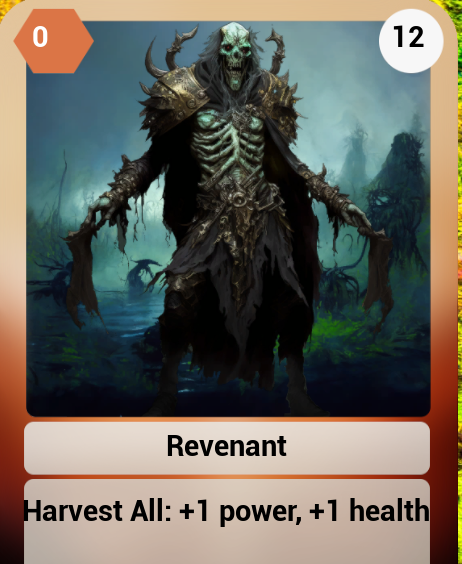
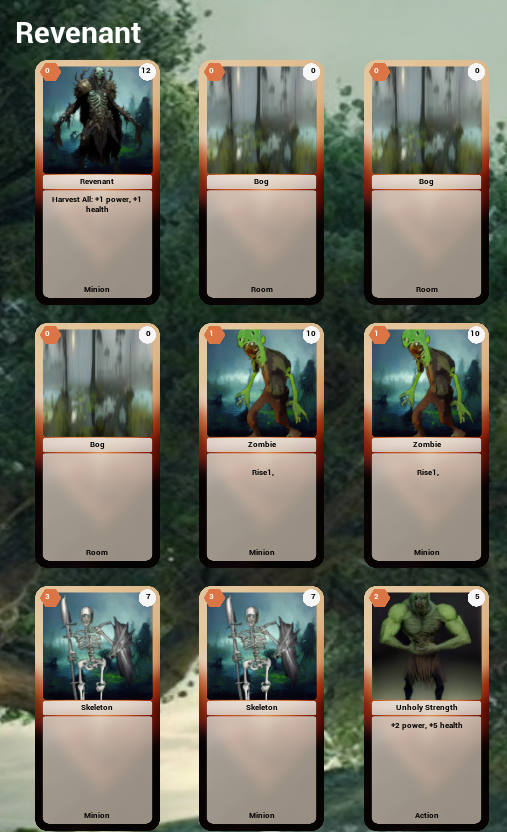
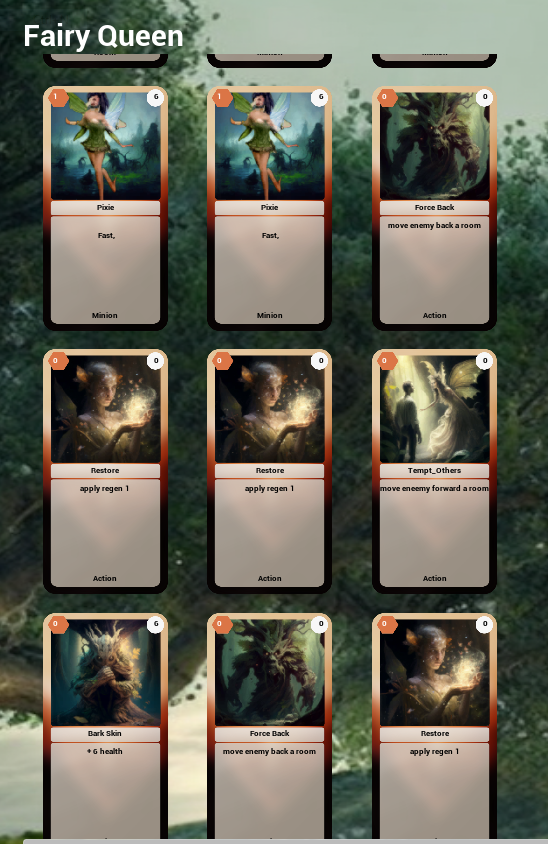
Designed a flexible card framework supporting reusable card behaviors.
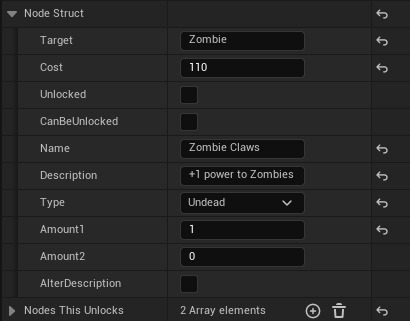
Built a data-driven content pipeline using Unreal Data Tables.
Developed a persistent save system for player progression and run data.
Implemented deck progression and unlock systems.
Created multiple card archetypes with unique gameplay effects.
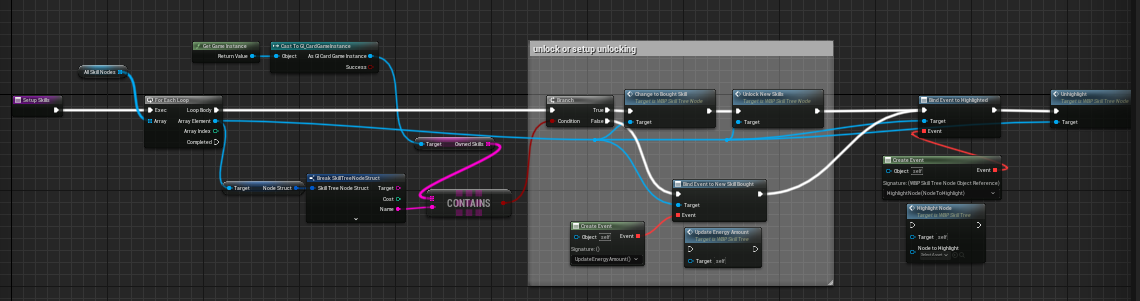
Built a skill tree that permanently modifies player statistics and card behaviors.
Designed reusable gameplay systems intended to support large content libraries.
Engineering Challenges
The primary challenge was designing gameplay systems that remained scalable as new cards and mechanics were introduced. Rather than hardcoding individual card behavior, I focused on building reusable systems that allowed new content to be added primarily through data, reducing the amount of Blueprint logic required for expansion.
Core Systems
Data-Driven Card Architecture
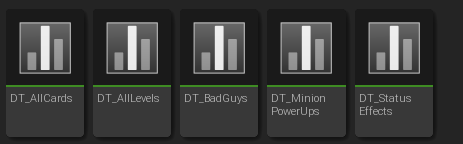
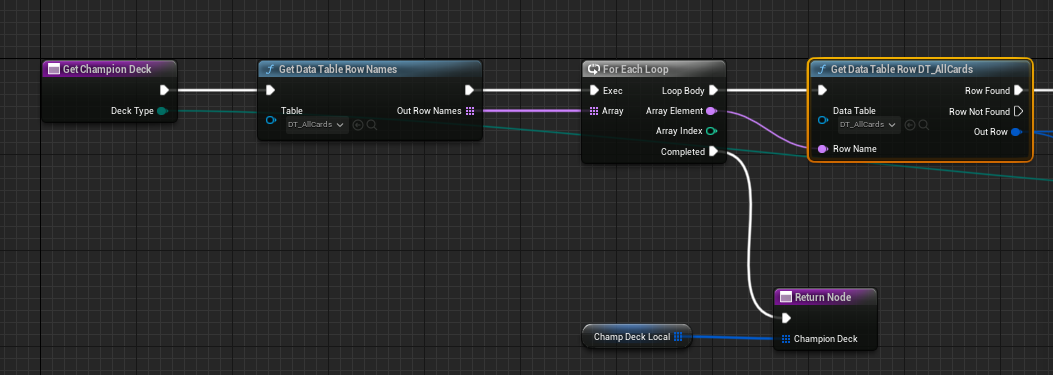
Nearly every gameplay system was built around Unreal Data Tables, including:
Cards
Enemies
Encounters
Rewards
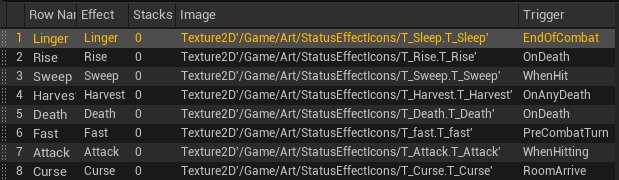
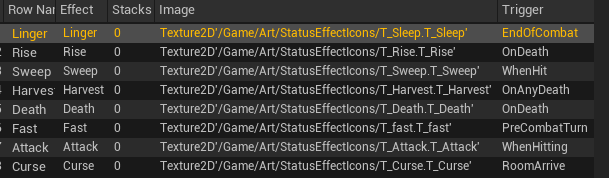
Status effects
Card behaviors
Progression
This approach allowed large amounts of content to be added with minimal Blueprint changes.
Card Effect System
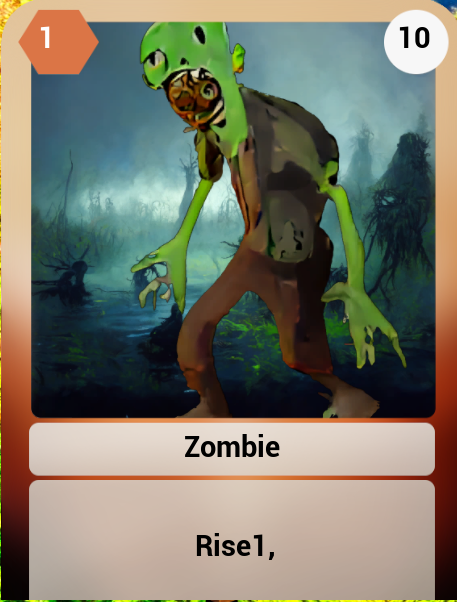
Implemented reusable card effects that respond to different gameplay triggers, allowing cards to perform unique behaviors while sharing common underlying systems.
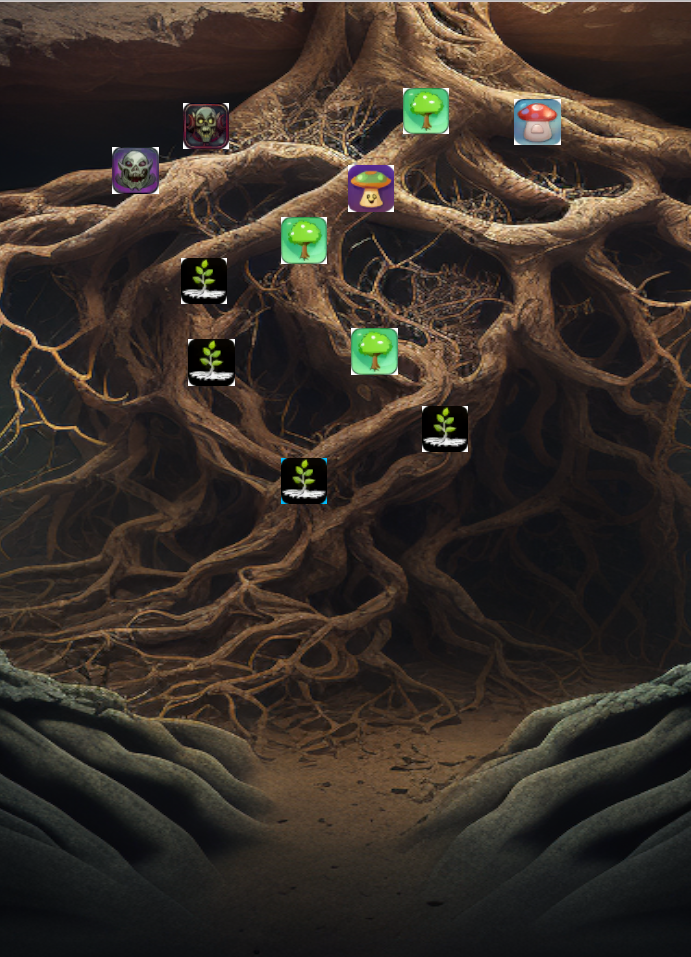
Skill Tree
Built separate progression trees for each deck archetype, allowing permanent upgrades that modified player statistics and altered card functionality between runs.
Save System
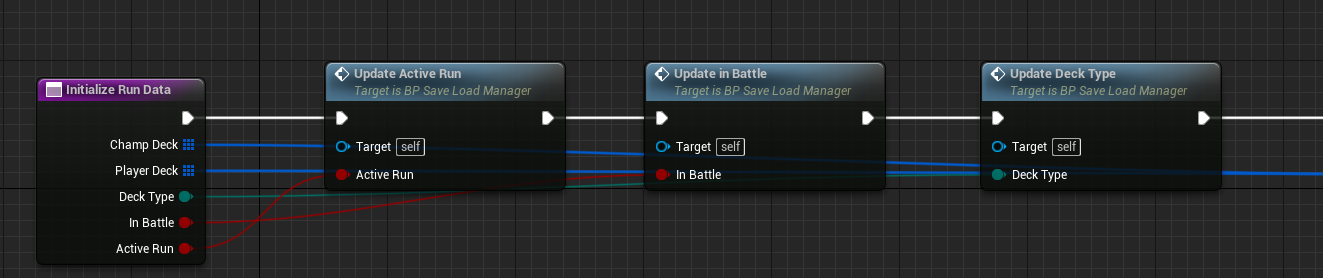
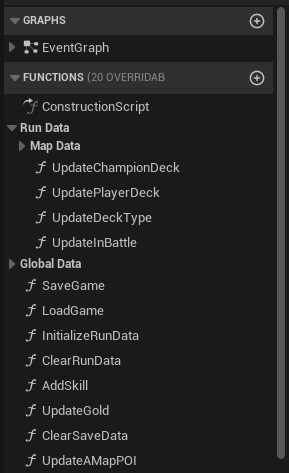
Developed a save architecture using Game Instance and Save Game objects that tracked both run-specific progress and long-term player progression.
Persisted data included:
Card unlocks
Deck progression
Purchased upgrades
Player currency
Meta progression
AI-Assisted Asset Creation
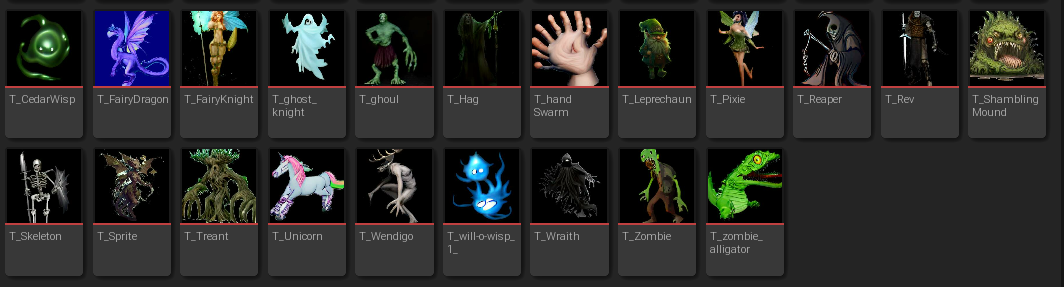
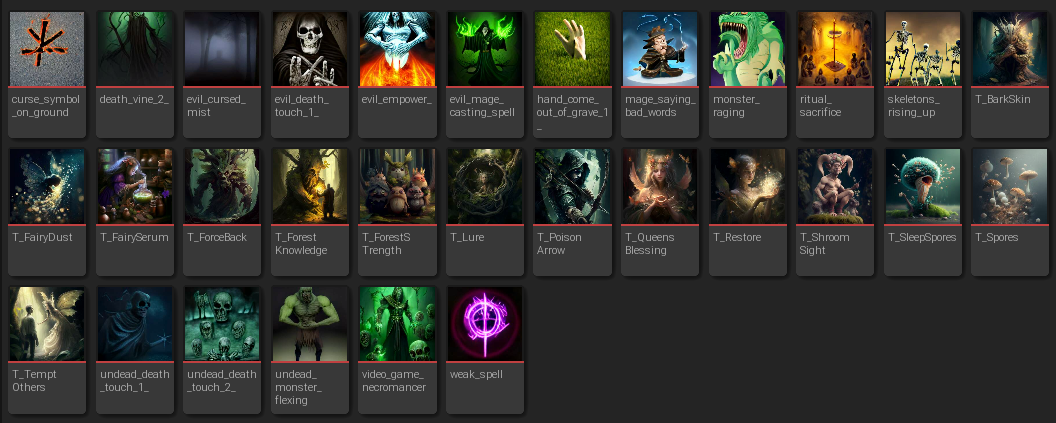
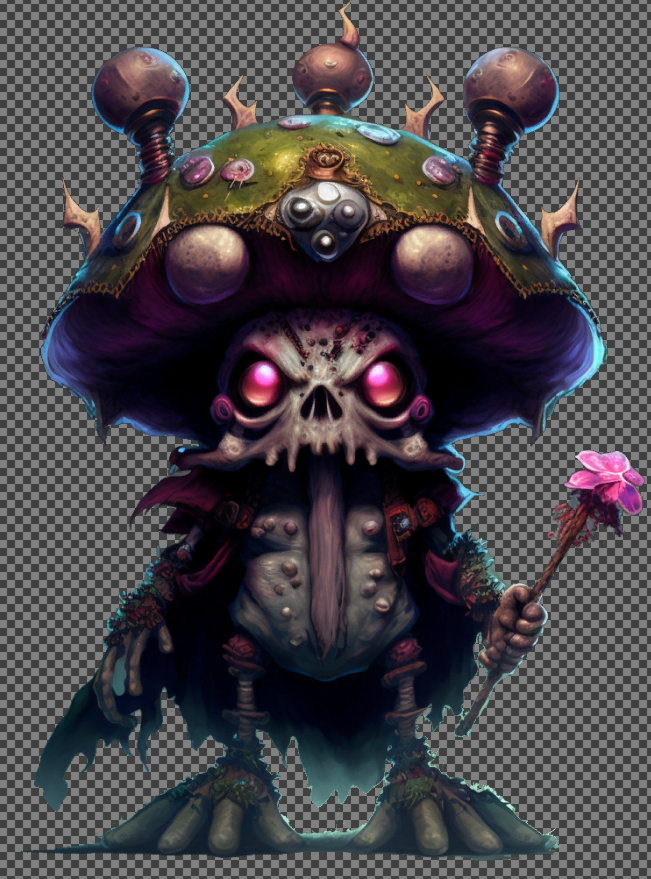
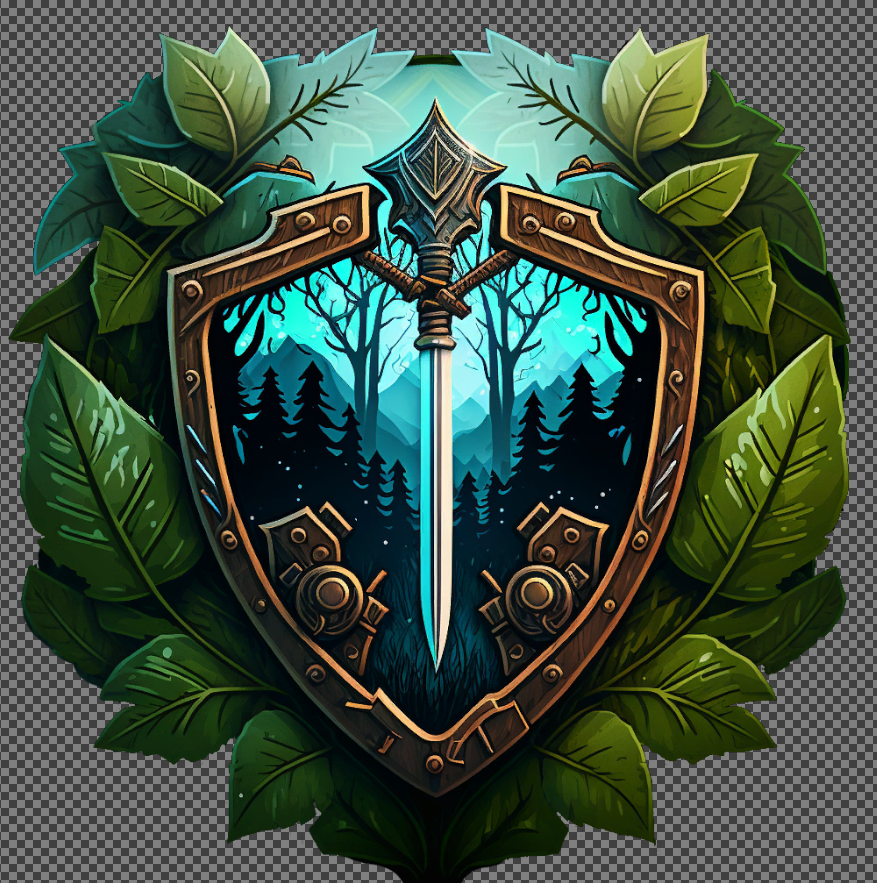
Since this project focused on gameplay systems rather than art production, I used AI-generated placeholder artwork to rapidly prototype cards and interfaces. This allowed more time to be spent designing and iterating on gameplay mechanics instead of creating temporary assets.
Results
Successfully built the foundation for a scalable deck-building framework.
Developed reusable gameplay systems capable of supporting additional content.
Gained extensive experience with Unreal Engine Data Tables and gameplay architecture.
Improved understanding of progression systems, card interactions, and data-driven design.
Gameplay Loop
Select a deck archetype.
Progress through branching encounters.
Battle enemies using customizable card decks.
Earn currency and unlock new upgrades.
Spend currency in the skill tree to strengthen future runs.
Unlock additional cards and continue expanding deck strategies.